Sumaya Richardson was stuck.
The elevator was filled to its limit, but one more student managed to squeeze in at the first floor. The ascent to the fifth floor began – then suddenly stopped.
“It was very over capacity, and next thing we know, we’re going up the floors. We felt this big jolt, it stopped, and the doors wouldn’t open,” said Richardson, a junior vocalist at Baltimore School for the Arts.
“We were on there for maybe 35 minutes, it was a long time. They had to call the fire department, and it took them a while to get it open: we heard someone say, ‘Wow, they’re really stuck in there. We might need to call for backup,’ which did not help,” she said.
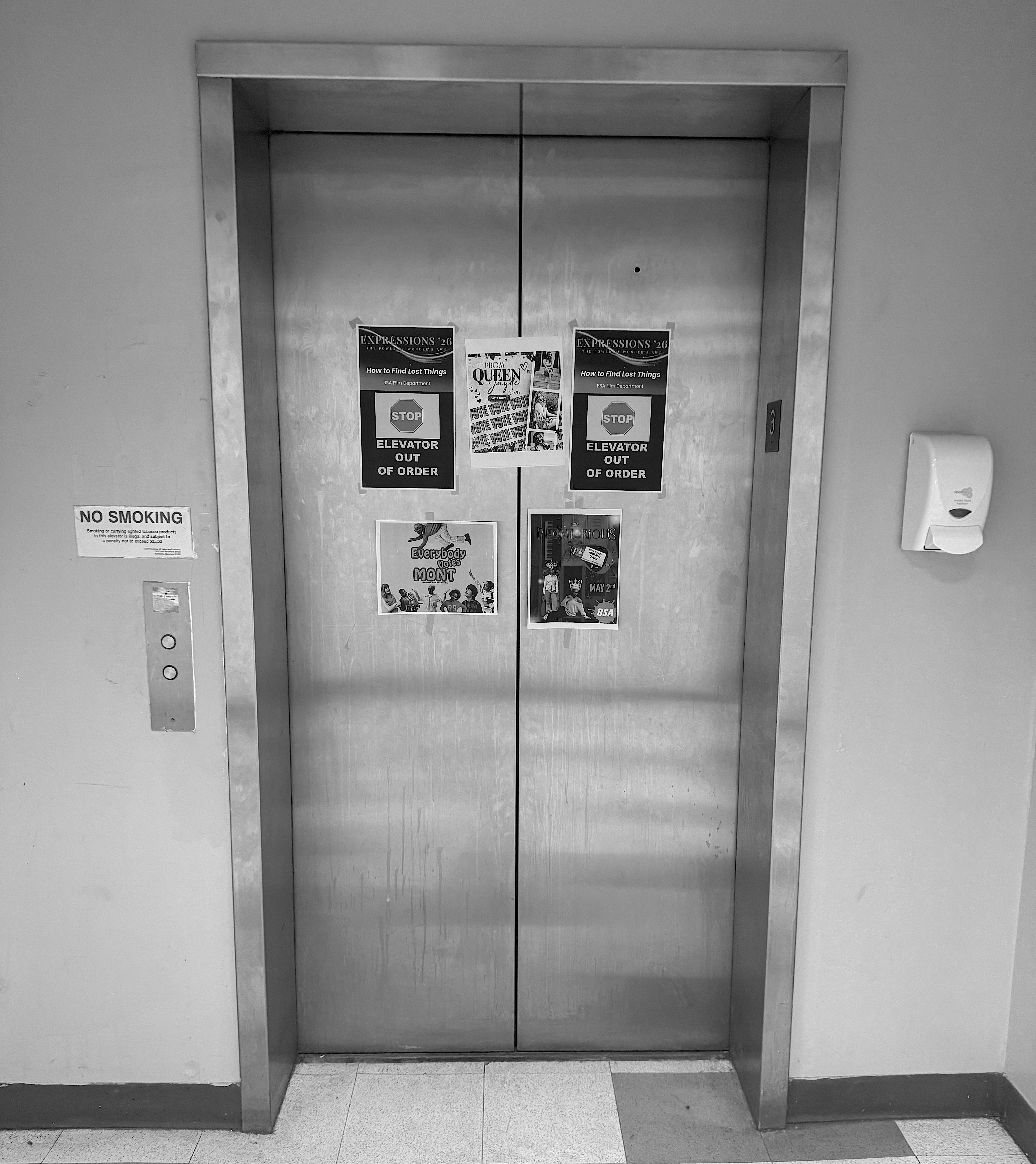
This incident from last school year is not without precedent: few elevators are as cursed and simultaneously beloved as BSA’s student lift, making its unsurprising end all the more tragic.
The student elevator died on Feb. 3. It was 41.
The elevator’s cab was ruined in the pipe burst that inundated BSA’s basement and first floor.
In spite of frequent closures and horror stories like Richardson’s, the elevator remained in high demand throughout its life.
Relied upon by a wide array of students – from lazy musicians to aching dancers – it was notorious for overcrowding, and the occasional spilled Dunkin’ drink.
“When you have 10 people trying to cram into the elevator, it makes everything very compact. We have to be packed in like sardines,” said junior actor Zion Iyoriobhe, who has a disability that restricts her use of stairs.
Visual artists in particular have lamented the elevator’s demise. The art studios and lockers are on the sixth and seventh floors, so transporting equipment up the stairs is difficult for some.
“Visual artists have a lot of clunky supplies, and having the elevator is nice. We could fit more stuff on the student elevator than on the staff elevator, and it fills up so quickly,” said Gillian Ryan, a senior visual artist who used the student elevator every morning to reach her art locker.
“I loved the wood panelling, and the constant fear that was instilled in people, since it broke so often,” continued Ryan.
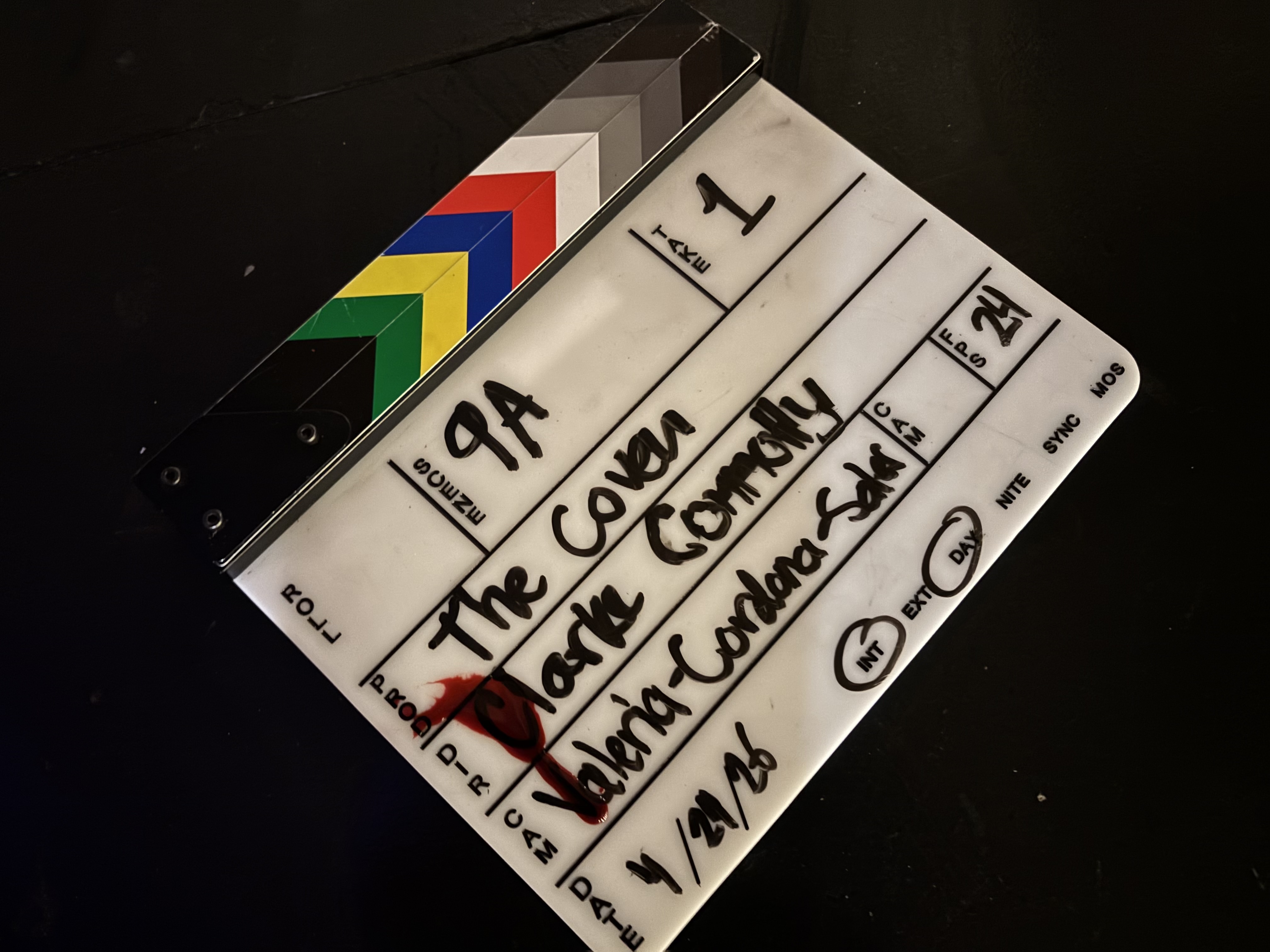
The student elevator was also seen on the big screen, starring in the 2026 Expressions film How to Find Lost Things.
“It was an amazing co-star,” said senior actor Liam Wright, who acted alongside the elevator in the film. “Very kind, very warm – you get that from being inside it.”

But the two elevators at 712 Cathedral Street have always had problems.
Even at the Alcazar Hotel, which built and occupied BSA’s main building until 1979, the elevator operator was robbed at knifepoint of $29, according to a Baltimore Sun article from 1972.
Overcrowding was an issue right from the elevator’s opening: former music teacher Carolyn Foulkes, who worked right across from the second floor elevator doors, recalled that both the student and staff elevators broke all the time.
“It used to happen with great regularity in my day because kids would overcrowd it. I’d always hear screams from outside the office, and I’d go pull the doors open to lift kids out,” said Foulkes.
And in 2024, both the student elevator and its staff-only counterpart were broken for two months, leading the administration to separate the elevators between students and staff upon resurrection.
The seldom-used dance elevator, which links the three floors of BSA’s Brownstone wing and dance studios and had been deceased since last summer, was revived on Tuesday.
A pipe burst at BSA on Feb. 3 was the final blow. It resulted in water damage to the basement and part of the first floor facilities, including the well below the elevator cab.
The student elevator was born in the summer of 1984, as part of the renovations to the fifth and sixth floors.
“For the first two years of the school, we only used the basement to the fourth floor. I believe the elevator was installed to move equipment to the fifth and sixth floors,” said Foulkes.
The student elevator is survived by the staff elevator 30 feet away, which survived the flood for reasons unknown, and the now-operational dance elevator.
(Injured, disabled, or art supplies-laden students may use the staff elevator.)
Plans to resuscitate the elevators were posted by City Schools in Apr. 2025, according to an invitation for bids for construction contracts.
The posting invited construction companies to submit a potential price for replacing all three elevators. Architectural plans for the replacement date back to Sept. 2024, according to the invitation to bid.
But the elevator’s health insurance denied the claim: all the bids exceeded City Schools’ allocated budget, so the project was pushed back, according to a spokesperson for the Procurement department.
The district is currently reevaluating the project to scale it back for budget limitations.
Immediate repairs to the student elevator are planned, according to BSA administrators, but district officials have not been able to provide a clear timeline.
For all the elevator’s issues, students never lost faith in its power to save them from two flights of stairs. Even after Richardson was saved from the broken elevator, she remained devoted to the accursed lift upon its reopening.
“Listen, I hate elevators, and I’m so scared of them, but I’m not walking from the first to the fifth floor,” she said.
“That elevator was my sister, and I miss being lazy!”
To contact this writer, email Muse Newspaper at musebsa@bsfa.org.
Featured photos by Cyrus Croslin for The Muse.