For as long as many of us can remember, the medical drama has dominated the hearts and minds of cable television and much of the public at large. From ER to Grey’s Anatomy to The Good Doctor, the art of the medical drama has remained a mainstay of pop culture for decades, with The Pitt being just one of hundreds of new additions.
And, well, if it’s just one of hundreds, what’s so fascinating about it that it’s captured the attention of such a wide audience?
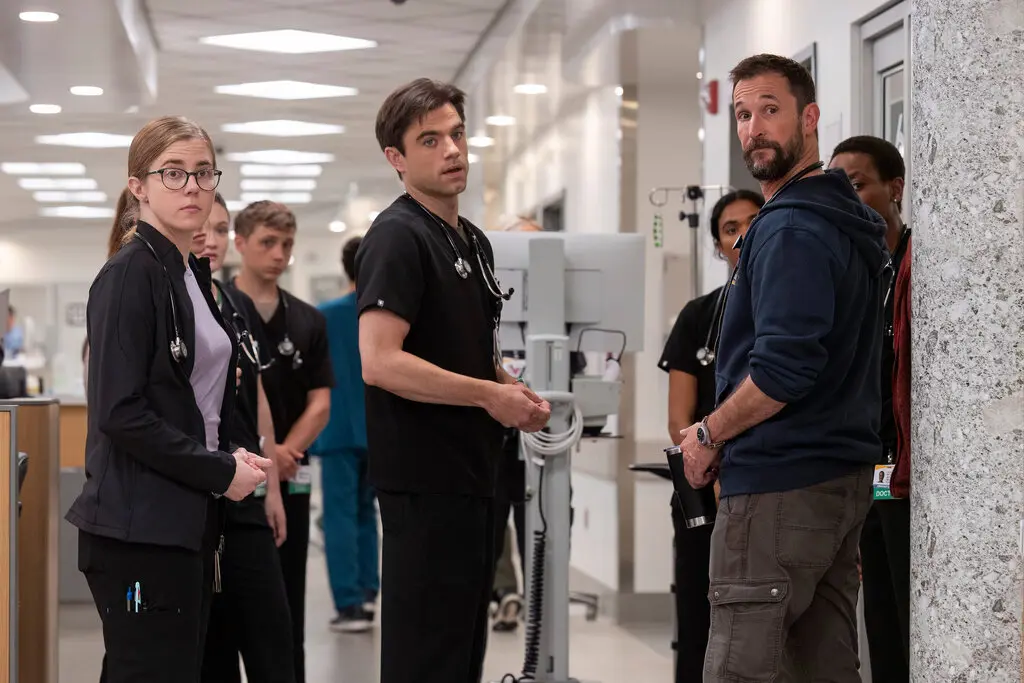
Set in the fictional hospital Pittsburgh Trauma Medical Center in the heart of Pittsburgh, Pennsylvania, The Pitt is a procedural medical drama that follows a day in the life of the hospital’s emergency department (ED).
Each episode corresponds to one hour in the shift, including new patients and returning ones, incoming trauma alerts, and a rotating cast of personnel; there’s truly never a dull moment.
This becomes especially true towards the end of season one, when a mass casualty incident throws the ED into overdrive and forces several day shift doctors and students to stay several hours after their initial 12-hour shift was supposed to end.
It’s clear to see in characters like third year medical student Victoria Javadi, resident physician Cassie McKay, or attending physician Michael Robinavitch the toll that the day takes on everyone, with interpersonal drama and medical emergencies allowing no time for rest.
Within all of this drama, one aspect of the show that many fans and real-life doctors commend is the attention to detail and medical accuracy.
Oftentimes, medical dramas will prioritize the drama aspect of their shows over the medical aspect, emphasizing interesting relationships or a complicated plot over attention to how legally or physically possible something is, leading to hilariously egregious examples such as Dr. House going nearly unpunished for breaking into his patients homes more times than you can count on your fingers.
In contrast to this, The Pitt allows for it to appear that their characters are being driven by the medical plots instead of the other way around, also allowing for better attention to detail when it comes to terminology and SFX. It has its faults as all things do, but its overall commitment to an accurate portrayal is particularly impressive.
One of the first things that the production team did when they casted actors was to put them through a week of TV doctor bootcamp. “They need to look proficient on camera,” said executive producer R. Scott Gemmill in an interview with HBO.
Being able to drill actors and actually teach procedures like ultrasounds, tracheotomies, and intubation allowed for movement to flow naturally, to appear completely unrehearsed despite the intense preparation that went into some aspects, like incoming trauma calls.
“The main thing that we got from the medical bootcamp,” said Isa Briones, who portrays intern Trinity Santos, in the HBO interview, “was to feel in the world and get used to that version of life.”
In addition to ensuring the actors were properly prepared to portray the more hands-on aspects of the medical field, doctors and nurses were often consulted to ensure the reality of what the production team was pulling together, with board-certified doctors in both the writer’s room and on set. Having trained and licensed advisors on the set once again served to reinforce the care put into the show from all fronts when it comes to accuracy, with the writers and directors not shying away from complicated medical jargon when needed.
One might think that among the aforementioned medical jargon, stunning SFX that can border on nauseating with how detailed they get, and a format that lends itself to throwing the viewer right in with the wolves, that the viewing experience could get a bit overwhelming. On the contrary, the beauty of the ways in which the show easily flows through the different areas and aspects of life in the ED as well as a character-focused lens allows for the personality of each doctor or student to truly shine through.
From one-off comments between doctors in trauma rooms to extensive conversations during unusual lulls in action, characters are given their individual items to shine through the chaos of hospital life.
From accuracy to character moments to SFX so natural it feels unnatural, The Pitt has something for nearly every audience to enjoy. It simultaneously scratches the messy-workplace-relationship and drama-that-comes-with-diagnosing-strange-symptom itches that not many medical dramas can seem to strike a balance between.
This is all in addition to reverting back to the weekly release format of cable television days, allowing for speculation amongst fans to brew in the time between episode releases.
The Pitt is something television hasn’t seen in a while, or maybe ever. It emerged as something completely new in January 2025 and is still going strong now, over a year later. All of these factors put together explain exactly how The Pitt has become the cultural phenomenon that it is.
To contact this writer, email Muse Newspaper at musebsa@bsfa.org.
Featured photo by Warrick Page for Max.